Common Specifications of Carboys and Application Guide
Carboys are essential liquid storage containers in cell culture and laboratory work. This article explores the common specifications of carboys and their applications to help you choose the right product for your needs.
Carboys are essential liquid storage containers in cell culture and laboratory work. This article explores the common specifications of carboys and their applications to help you choose the right product for your needs.
Carboys are primarily made from PC (polycarbonate) or PP (polypropylene) materials, which are not only resistant to high-temperature treatments but also suitable for low-temperature freezing. These properties make them ideal for storing sterile liquids, dispensing solutions, and culture media. The body of the carboy is manufactured using injection-blow molding, ensuring excellent appearance and overall sealing.
Common Carboy Specifications
10L Carboy:
Application: Ideal for smaller scale liquid storage. Suitable for storing limited amounts of culture media, reagents, or solutions. It is also a great option for labs that require frequent changes in solutions without the need for large volumes.
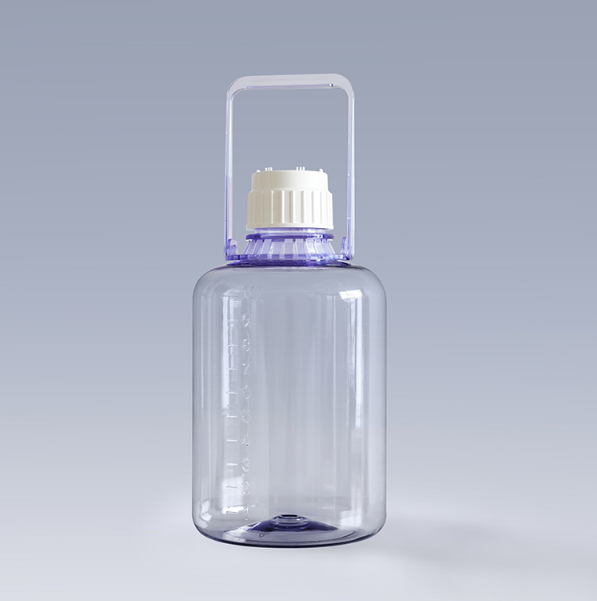
20L Carboy:
Application: Designed for bulk storage, making it suitable for large-scale culture media, vaccine products, or chemicals. It is efficient for labs that require substantial quantities of liquid for ongoing experiments.
Both sizes come with molded graduations to facilitate easy dispensing and usage of liquids.
Versatile Cap Options
To accommodate different operational needs, carboys are equipped with various liquid transfer and sealing cap options, including:
Sealing Caps: Provide airtight storage.
Two-Way and Three-Way Caps: Allow for customizable piping systems, enabling efficient liquid distribution and transfer.
Design Features
The carboy design includes a narrow neck for high transparency, which allows for easy observation of the liquid status. The standard size and threaded design of the opening ensure that caps fit securely, providing excellent sealing performance, and allowing for compatibility with various brands of carboys.
Conclusion
Whether you are conducting large-scale cell cultures or handling other liquids, selecting the appropriate carboy specifications and accessories can enhance experimental efficiency and ensure operational safety. By understanding your specific requirements and choosing the right size and accessories, you can achieve optimal liquid storage and dispensing results.