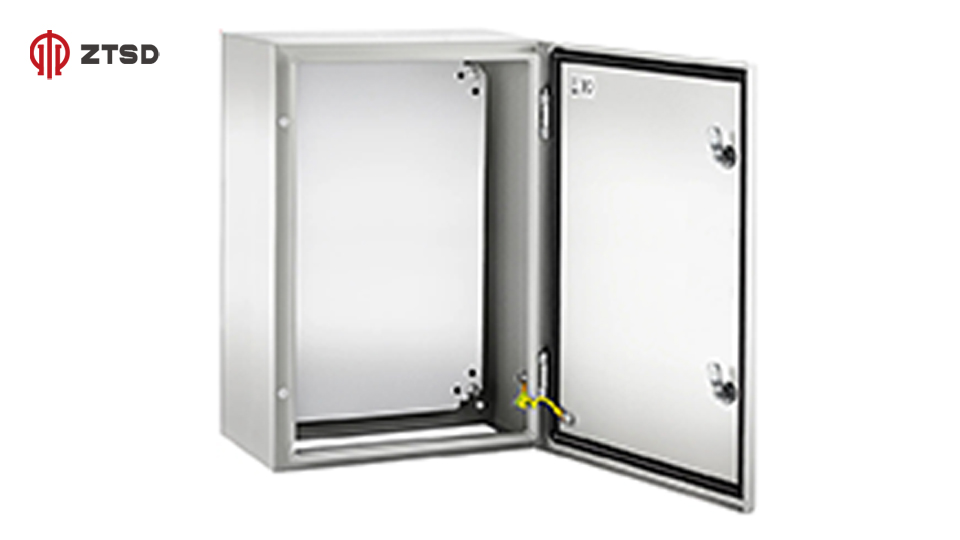
Electrical Distribution Box Enclosures
Electrical Distribution Box Enclosures
4. Structural Features
-
Mounting Options: Wall-mounted, floor-standing, or recessed (e.g., flush-mounted in walls).
-
Cable Entry: Knockouts or gland openings at the top/bottom for easy wiring.
-
Locking Mechanism: Hinged doors with locks or latches to prevent unauthorized access.
-
Transparent Window: Allows visual inspection of meters/indicators without opening the enclosure.
-
Modular Design: Expandable interiors for future upgrades or maintenance.
5. Applications
-
Industrial: Factories, substations (require high IP ratings and metal enclosures).
-
Commercial/Residential: Offices, homes, malls (often use plastic or aesthetic metal enclosures).
-
Outdoor: Street lighting control, solar power distribution (requires UV/weather resistance).
-
Hazardous Areas: Explosion-proof enclosures (e.g., oil refineries, chemical plants).
6. Selection Guidelines
-
Environmental Suitability: Choose material and IP rating based on humidity, temperature, and corrosion risks.
-
Size & Capacity: Ensure sufficient space for current and future components.
-
Compliance: Must meet standards like IEC 61439 or NEMA (for the U.S. market).
-
Ease of Maintenance: Check door accessibility and internal layout for servicing.
7. Maintenance & Safety
-
Inspect regularly for cracks, rust, or seal degradation.
-
Clean ventilation openings to prevent overheating.
-
Ensure proper grounding to avoid electrical hazards.