The Ultimate Guide For Surgical Tools
When it comes to purchasing surgical tools, whether for a hospital, clinic, or surgical practice, selecting the right instruments is crucial to ensuring the safety, effectiveness, and comfort of both patients and healthcare professionals.
When it comes to purchasing surgical tools, whether for a hospital, clinic, or surgical practice, selecting the right instruments is crucial to ensuring the safety, effectiveness, and comfort of both patients and healthcare professionals. Surgical tools must meet stringent quality standards, be durable, and be ergonomically designed to meet specific medical needs. In this article, we will explore the key dimensions to consider when purchasing surgical tools and provide helpful answers to common FAQs to guide B2B buyers in making informed purchasing decisions.
1. Material Quality and Durability
The first and most important factor to consider when purchasing surgical tools is the material used in their construction. Surgical instruments must be made from high-quality, corrosion-resistant materials to withstand frequent sterilization and maintain their integrity during use.
Stainless Steel: Most surgical tools are made from high-grade stainless steel, often alloyed with chromium and nickel for enhanced resistance to rust and staining. The best stainless steel instruments offer durability, strength, and long-lasting sharpness.
Titanium: For instruments that need to be lightweight yet strong, titanium is an excellent choice. It is especially useful for tools like forceps, scissors, and bone cutters.
Coating Materials: Many surgical tools also feature coatings that prevent corrosion, reduce friction, and improve ease of use. Tools with a non-stick coating or an anti-glare finish can help reduce surgical fatigue during lengthy procedures.
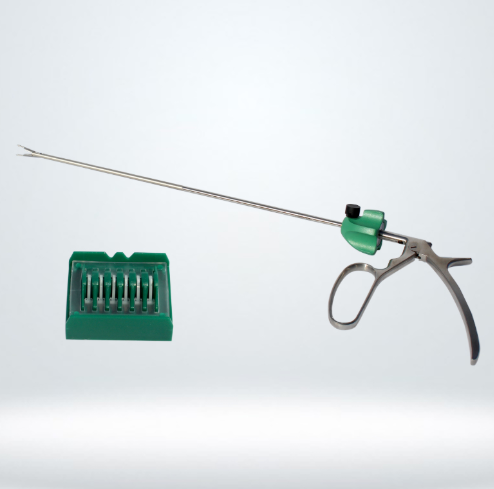
Disposable Ligation Clips
2. Precision and Sharpness
Precision and sharpness are key characteristics that can influence the success of a surgical procedure. Tools like scalpels, scissors, and needle holders must be razor-sharp to ensure smooth and accurate cuts, minimizing tissue damage and reducing healing time for patients.
Fine Tip Instruments: Tools with fine tips, such as fine scissors or needle holders, are used for delicate procedures and require enhanced sharpness and precision to avoid unnecessary trauma to tissues.
Cutting Edge Maintenance: When buying surgical tools, it’s important to consider whether the instruments maintain their sharpness over time and how easily they can be re-sharpened or replaced. A quality surgical instrument should remain sharp for a prolonged period, reducing the need for frequent replacements and ensuring consistent performance during operations.
3. Ergonomics and Comfort
Surgeons often work for extended periods, so the ergonomics of surgical tools are crucial in preventing strain and injury. Properly designed handles and grips can improve the comfort of the tool, reducing hand fatigue and providing better control during delicate procedures.
Handle Design: Surgical tools should have handles that are easy to grip, non-slip, and ideally have a balanced weight distribution. The shape of the handle should allow for a firm hold, which is especially important for precision tools like forceps and scissors.
Weight and Balance: Lightweight tools can reduce strain, but they should not be so light that they lack control. A well-balanced surgical tool provides the surgeon with the ideal weight distribution, offering more control and precision during procedures.
4. Sterilization Compatibility
All surgical tools must be able to withstand sterilization procedures, including autoclaving, to ensure they remain safe for patient use. The materials used in the tools should be resistant to heat and chemical sterilization methods.
Autoclavable Tools: Ensure that the surgical instruments you purchase are compatible with autoclaving, the most common sterilization process used in healthcare settings. Instruments that can withstand high temperatures and harsh chemicals without degrading are essential for maintaining safety standards.
Non-reactive Materials: Surgical tools must be made from materials that will not react with cleaning agents or sterilization chemicals. Non-corrosive and chemically resistant materials like stainless steel are ideal for this purpose.
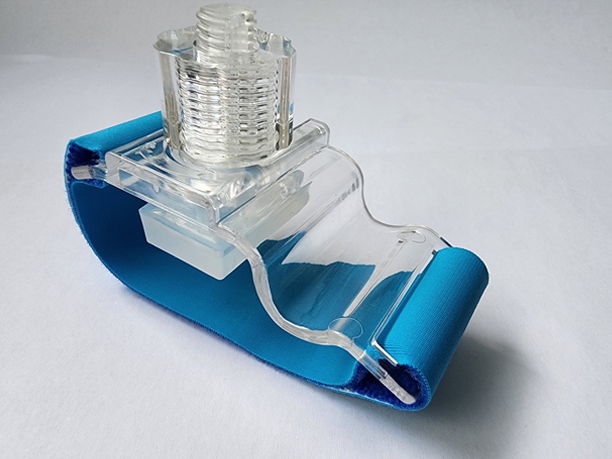
Radial Artery Compression Tourniquet
5. Tool Variety and Specialization
Surgical tools are designed for specific types of procedures, so it’s essential to purchase the right tools for your practice. From general surgery to highly specialized fields like orthopedic or cardiac surgery, each discipline requires tools with unique specifications.
General Surgery Tools: Basic surgical tools like scalpels, scissors, and forceps are necessary for most procedures. These should be versatile, durable, and easy to use across various types of surgeries.
Specialized Instruments: For specific surgical fields, you’ll need tools tailored to the task. For example, orthopedic surgeries often require bone saws and drills, while cardiac surgeries require precision instruments for working with delicate heart tissues. Be sure to evaluate the needs of your practice and invest in specialized instruments that meet the highest standards of performance.
6. Compliance with Regulatory Standards
Before purchasing surgical tools, it is essential to verify that they comply with relevant industry standards. In many countries, surgical instruments must meet strict regulations set by health authorities to ensure patient safety and efficacy of the tools.
ISO and CE Certifications: Look for tools that have been certified by relevant regulatory bodies, such as ISO (International Organization for Standardization) or CE (Conformité Européenne) certifications. These certifications ensure that the instruments have passed rigorous quality tests and are safe for use in medical settings.
FDA Approval: In the U.S., the FDA (Food and Drug Administration) regulates medical devices, including surgical tools. Ensuring that the instruments you purchase are FDA-approved will provide peace of mind and guarantee that the tools meet the necessary safety standards.
Frequently Asked Questions (FAQs)
Q1: How can I ensure that I’m purchasing high-quality surgical tools?
A1: Purchase surgical tools from reputable manufacturers and suppliers that provide detailed specifications, certifications, and warranties. Look for tools made from high-grade materials like stainless steel or titanium and ensure that they comply with necessary safety and regulatory standards.
Q2: Are there any tools that should always be included in a basic surgical toolkit?
A2: A basic surgical toolkit should include instruments like scalpels, scissors, needle holders, forceps, and tweezers. These versatile tools are essential for general procedures and should be made from durable, high-quality materials to ensure longevity and effectiveness.
Q3: Can surgical tools be reused, and how do I maintain them?
A3: Most surgical tools are reusable and designed for long-term use with proper maintenance. Regular sterilization, careful handling, and prompt sharpening or replacement of worn-out parts are essential for keeping instruments in optimal condition.
Conclusion and Conversion Statement
When purchasing surgical tools, the considerations outlined above—material quality, precision, ergonomics, sterilization compatibility, tool variety, and regulatory compliance—are all critical to ensuring the success and safety of medical procedures. For B2B buyers, the right surgical tools can make all the difference in both the efficiency and outcomes of surgeries. If you're ready to make bulk purchases of high-quality surgical instruments for your healthcare facility, we offer a comprehensive range of certified, durable tools to meet all your needs. Browse our selection today, and experience the benefits of top-tier surgical instruments delivered with excellent customer service and competitive pricing. Contact us for your bulk order, and equip your medical team with the best tools in the industry!