Types of Scaffolding Planks: A Comprehensive Guide
One of the key components of scaffolds is scaffolding planks. These pieces of material—also sometimes referred to as scaffold boards or walkboards—provide the surface on which employees and equipment can stand.
Scaffolds play a vital role in the building and construction industry; by providing support and stability to access and working platforms, the temporary structures ensure employees can perform their work safely. One of the key components of scaffolds is scaffolding planks. These pieces of material—also sometimes referred to as Scaffold Boards or walkboards—provide the surface on which employees and equipment can stand. They are available in numerous variations, differing in material and design, to suit different scaffolding applications.
What Are Scaffolding Planks?
Scaffolding planks form the working platform on a scaffold system. They are the boards on which workers stand, move, and position materials. Depending on the project’s needs, these planks can be made of wood, metal, aluminum, or composite materials. Their main functions include:
- Providing Stability: Offering a secure surface that reduces the risk of slips and falls.
- Even Weight Distribution: Spreading the load of workers, tools, and materials to prevent overloading any single point.
- Facilitating Access: Allowing quick and safe movement between different levels of the scaffolding system.
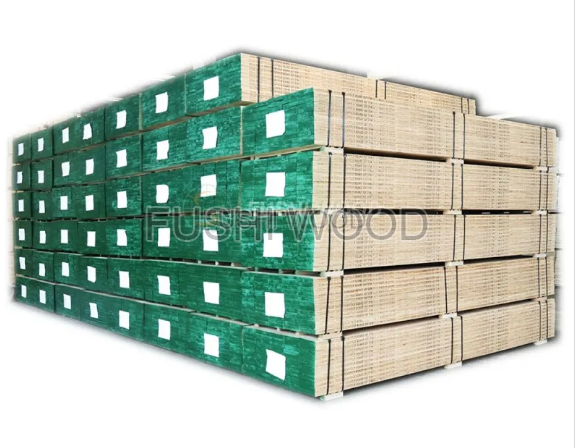
Types of Scaffolding Planks by Material
The material used for scaffolding planks affects their performance, durability, and suitability for specific applications. Here are the most common types:
1. Wooden Scaffolding Planks
Overview:
Wooden planks have been used in scaffolding for decades. They are typically made from high-quality pine, fir, or Southern Pine and are designed to be strong enough for temporary work platforms.
Advantages:
- Cost-Effective: Wood is generally less expensive than metal alternatives.
- Good Traction: Provides a natural, non-slip surface that improves worker safety.
- Ease of Handling: Lightweight and easy to transport on site.
Disadvantages:
- Moisture Sensitivity: Even treated wood can absorb water, leading to warping or deterioration.
- Maintenance Requirements: Requires regular inspections, treatment, and eventual replacement.
- Fire Hazard: Wood is combustible unless treated with fire-retardant chemicals.
2. Metal Scaffolding Planks
Overview:
Metal planks are designed for high load-bearing applications and environments where durability is critical. They are typically made of steel and may feature additional treatments like galvanization or powder-coating.
Advantages:
- High Load Capacity: Ideal for projects with heavy equipment or where multiple workers are present.
- Durability: Resistant to wear and tear under harsh environmental conditions.
- Long Lifespan: Although more expensive, steel planks last longer and require less frequent replacement.
Disadvantages:
- Weight: Steel planks are significantly heavier than wooden or aluminum options, which can increase transportation and installation costs.
- Cost: The initial investment is higher compared to wood.
- Potential for Corrosion: Requires proper surface treatments to prevent rust, especially in wet or corrosive environments.
3. Aluminum Scaffolding Planks
Overview:
Aluminum planks offer a middle ground between wood and steel. They are lighter than steel and more durable than wood, making them a popular choice for many construction sites.
Advantages:
- Lightweight: Easier to handle and transport, reducing labor and equipment costs.
- Corrosion Resistance: Naturally resistant to rust, which makes them suitable for outdoor use.
- Quick Assembly: Their lighter weight facilitates faster installation and reconfiguration on site.
Disadvantages:
- Lower Load Capacity: Aluminum planks typically cannot support as heavy a load as steel planks.
- Higher Cost: Generally more expensive than wood, though they may save money in the long run through lower maintenance.
- Less Impact Resistance: They may be more susceptible to dents or deformations under heavy impact.
4. Composite Scaffolding Planks
Overview:
Composite planks are a modern innovation that blend wood fibers with plastic resins, offering improved performance characteristics. They are designed to overcome many limitations of traditional materials.
Advantages:
- Enhanced Durability: Resistant to moisture, rot, and insect damage.
- Lightweight and Strong: Often provide a good strength-to-weight ratio.
- Low Maintenance: Require less frequent inspections and treatments compared to wood or metal.
Disadvantages:
- Cost: Higher initial cost compared to conventional materials.
- Specialized Use: May not be available in all markets and could require specialized installation techniques.
- Temperature Sensitivity: Some composites may become brittle in extremely cold weather.
Types of Scaffolding Planks by Design
Apart from the material, scaffolding planks can also be categorized by their design and application methods. Two common design types include:
Single Scaffold Planks
Description:
These planks are used in applications such as brick masonry. They are designed to be placed parallel to the wall, offering sufficient support at a safe distance from the structure.
Applications:
- Typically used in masonry work.
- Ideal for projects that do not require a double layer of planking.
Double Scaffold Planks
Description:
Double scaffold planks consist of two layers of planks, offering extra strength and stability. This design is common in stone masonry and projects requiring additional load-bearing capacity.
Applications:
- Suitable for heavy-duty projects and high load applications.
- Often used when extra support is needed due to the nature of the materials or the working conditions.
Comparison: Which Plank is Right for Your Project?
Selecting the appropriate scaffolding plank depends on several factors, including the specific construction application, environmental conditions, and budget constraints. Here is a quick comparison:
|
Type |
Load Capacity |
Weight |
Durability |
Cost |
Best Use |
|
Wooden Planks |
Moderate |
Light |
Moderate (requires upkeep) |
Low |
Small to medium projects |
|
Metal Planks |
High |
Heavy |
High (with proper care) |
High |
Heavy-duty and long-term use |
|
Aluminum Planks |
Moderate |
Very Light |
High (corrosion-resistant) |
Moderate to High |
Projects needing quick setup |
|
Composite Planks |
Moderate-High |
Light |
Very High (low maintenance) |
High |
Specialized projects, harsh environments |
Safety Considerations
No matter the type of scaffolding plank used, safety is paramount. Here are some best practices:
- Regular Inspections: Planks must be inspected for cracks, warping, or other defects before and during use.
- Load Compliance: Always adhere to the manufacturer's recommended load limits.
- Proper Installation: Ensure that planks are correctly secured to the scaffold structure using appropriate hooks, lugs, or couplers.
- Environmental Protection: In wet conditions, ensure that wooden planks are adequately treated to reduce moisture absorption, and in high-temperature areas, consider non-combustible materials.
- Worker Training: Regularly train workers on proper use, installation, and inspection procedures.
Conclusion
Choosing the right scaffolding planks is a critical step toward ensuring the safety and efficiency of any construction project. Whether you opt for traditional wooden planks, robust metal alternatives, lightweight aluminum options, or modern composite materials, each type offers distinct benefits and challenges.
By understanding the differences in material and design, along with adhering to strict safety protocols, you can optimize your scaffold system to meet the unique needs of your project. Regular inspections, proper installation, and comprehensive worker training are essential to minimize risks and enhance overall productivity on site.
Invest in high-quality scaffolding planks and prioritize safety to build a more efficient and secure construction environment.
If you would like more information about this product, please feel free to contact us. Recommend other popular products for you: lvl scaffold plank, lvl scaffold planks, wooden scaffold planks, lvl plank, osha scaffold plank, LVL Scaffolding Planks, lvl scaffolding plank , pine scaffold wood board , anti slip plywood, non slip plywood, temporary props construction, heavy duty props, heavy duty construction props, anti-slip plywood, osha approved scaffold planks, osha boards, osha plank, osha planks for sale, scaffold boards osha, scaffolding board, mdf safe