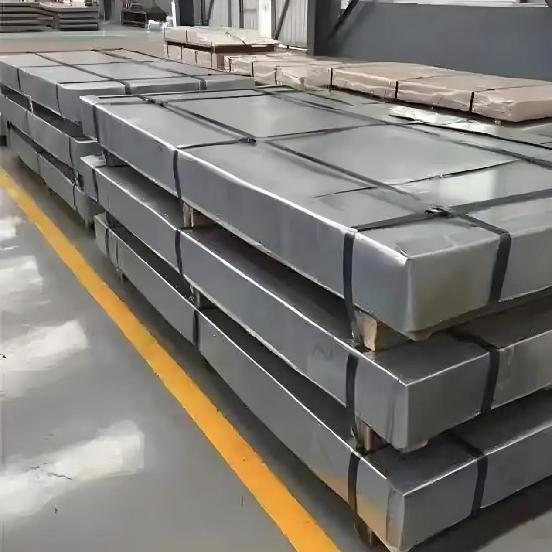
Galvanized sheet is a material that combines the strength of steel with the corrosion-resistant properties of zinc.
Galvanized sheet is a material that combines the strength of steel with the corrosion-resistant properties of zinc. This is achieved by coating the steel surface with a zinc layer through hot-dip galvanizing or electroplating. Due to its excellent durability, it is widely used in industries like construction, automotive, and home appliances.
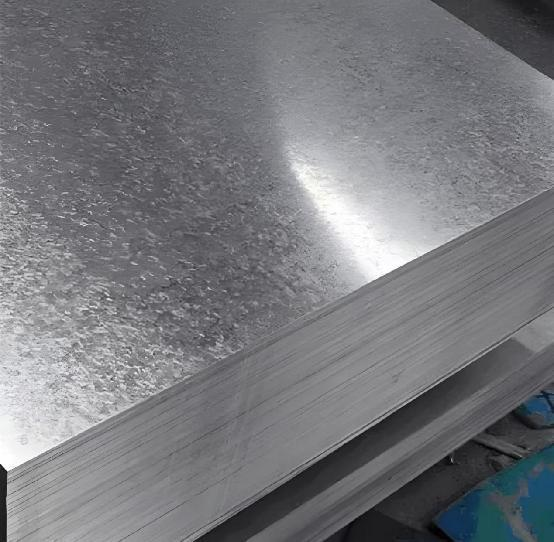
Product Introduction and Common Specifications
Galvanized sheet is a material that combines the strength of steel with the corrosion-resistant properties of zinc. This is achieved by coating the steel surface with a zinc layer through hot-dip galvanizing or electroplating. Due to its excellent durability, it is widely used in industries like construction, automotive, and home appliances.
Common specifications for galvanized sheets include thicknesses from 0.4mm to 3.0mm, with widths typically at 1000mm, 1219mm, or 1250mm. The length can be customized based on customer requirements. Additionally, the thickness of the zinc layer can be selected to meet specific corrosion resistance needs, such as Z60 or Z100, depending on the environment of use.
CREDIT
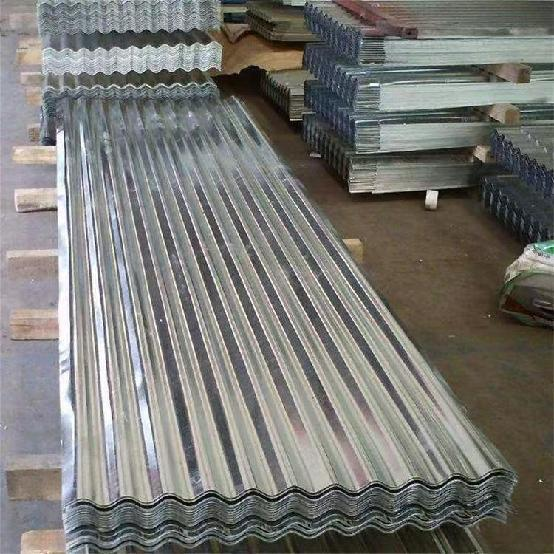
Hot-Dip Galvanized Sheet
Product quality inspection methods
In order to ensure the quality of galvanized sheets, strict quality inspection procedures are indispensable. First, the raw materials are inspected to ensure that the base material and zinc layer meet national standards. Secondly, the galvanizing process is monitored in real time during the production process to ensure the uniformity of the zinc layer. Finished product inspection includes multiple indicators such as thickness, zinc layer adhesion and appearance. Finally, random sampling is carried out for factory inspection to ensure that the product meets factory standards.
CREDIT
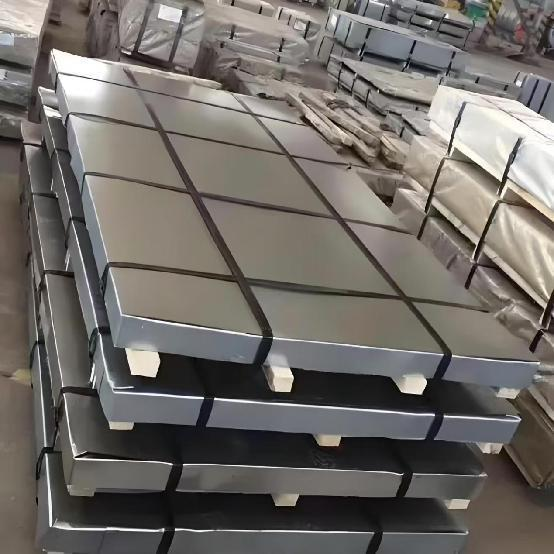
Steel Roofing Sheets
Market development trends
As the construction, automotive and appliance industries continue to grow, demand for galvanized sheets is rising steadily. In the future, the galvanized sheet market will show the following trends: first, environmental protection requirements will continue to increase, and future products will be more likely to comply with green building standards; second, intelligent manufacturing will gradually become popular to improve production efficiency and product quality; third, The demand for customization is growing, and the market demand for personalized services is also rising.